
January 7, 2026
uPVC Furniture Is Not Plastic Furniture: Breaking the Myth with Facts

Prijesh Patel
Managing Director
Reading time
8 minutes
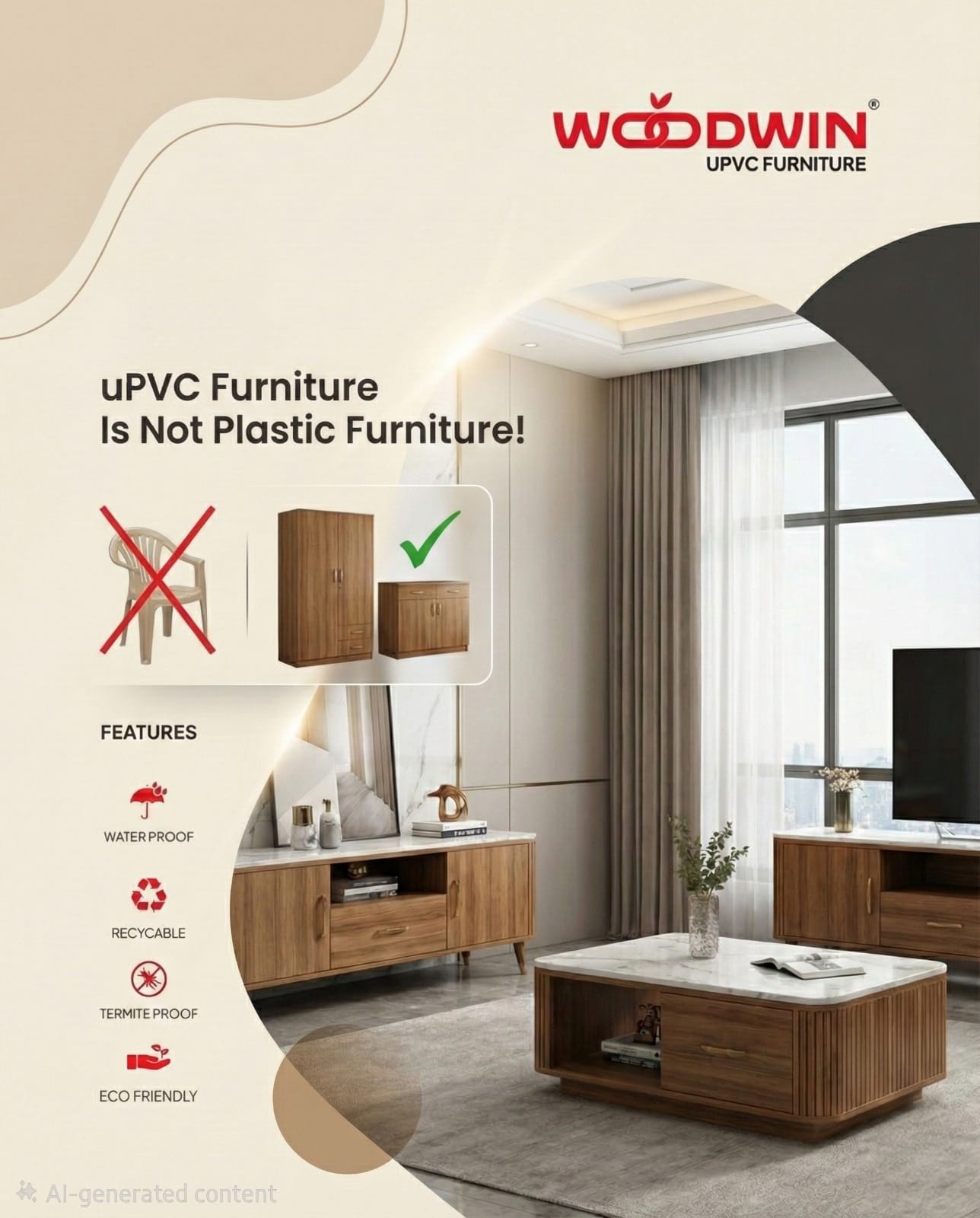
A common misconception in the interior industry is that uPVC furniture is just another form of plastic furniture. This belief often leads to incorrect comparisons and undervaluation of uPVC products. In reality, uPVC furniture is a high-performance engineered material, very different from ordinary plastic. Understanding this difference helps homeowners make informed, long-term decisions.
Let me clear up this confusion once and for all.
What People Mean by "Plastic Furniture"
When people think of plastic furniture, they usually imagine lightweight, Mold-made items such as chairs or tables. These products:
Have limited strength
Fade or crack over time
Are not suitable for permanent interiors
This definition does not apply to uPVC furniture at all.
What uPVC Furniture Actually Is
uPVC stands for Unplasticized Polyvinyl Chloride. Unlike common plastic, uPVC is manufactured without softening agents, making it rigid, strong, and stable. This engineered structure is what allows uPVC furniture to be used in permanent interior applications such as kitchens, wardrobes, and wall panels.
This is why uPVC furniture is classified as durable long lasting furniture, not temporary plastic items. Completely different category.
Fact 1: uPVC Furniture Is Structural, Not Temporary
uPVC furniture is manufactured using reinforced profiles and precision assembly. It offers:
High load-bearing capacity
Long-term structural strength
Stable performance in daily use
This makes it suitable for uPVC modular furniture, wardrobes, and cabinets where strength matters most.
Fact 2: Maintenance Free Performance Sets It Apart
Unlike wooden furniture that needs polishing or plastic furniture that degrades, uPVC furniture is truly maintenance free furniture. It retains its finish and strength without repainting or chemical treatment.
That's a performance difference you can see and feel.
Fact 3: Fully Waterproof by Nature
Ordinary plastic furniture may resist water, but uPVC is engineered to be completely waterproof. This makes it ideal for:
Waterproof kitchen cabinets
Waterproof TV cabinets
Modern uPVC kitchen designs
Water, steam, and humidity have no impact on uPVC furniture whatsoever.
Fact 4: Termite-Proof and Hygienic
Plastic furniture is often hollow and weak, while uPVC furniture is dense and sealed. This makes it a perfect choice for a termite proof wardrobe, eliminating pest-related damage entirely.
No more pest problems, ever.
Fact 5: Fire Safety Is Built In
Another major difference is safety. uPVC qualifies as fire retardant furniture, meaning it slows the spread of flames. This makes it safer than both wooden and ordinary plastic furniture, especially in kitchens where fire risks exist.
Safety engineered into the material itself.
Fact 6: uPVC vs Wood - The Real Comparison
When comparing wooden cabinet options vs uPVC cabinet , then uPVC clearly stand out in a different category:
Stronger than regular plastic
More durable than wood in wet conditions
Doesn't warp, crack, or rot
This positions uPVC as a premium interior material, not a basic plastic alternative. Quality difference is significant.
Fact 7: Eco-Friendly and Responsible Material
uPVC furniture is considered eco-friendly furniture because it reduces dependence on natural wood and supports long-term use with minimal replacement. Its long lifespan lowers overall material waste.
Sustainability through durability.
Fact 8: Designed for Modern uPVC Modular Living
uPVC furniture supports advanced uPVC modular kitchen designs and flexible layouts. With clear planning, homeowners can also manage the uPVC modular kitchen cost effectively without compromising quality.
Smart design for modern lifestyles.
Fact 9: Part of Complete Interior Solutions
uPVC furniture integrates seamlessly with:
uPVC doors throughout your space
uPVC wall panels for modern walls
False ceiling panels for ceilings
These applications clearly prove that uPVC is an architectural material - not ordinary furniture material. Professional-grade solutions.
Fact 10: Manufacturer Quality Makes the Difference
The performance of uPVC furniture depends on who makes it. A professional uPVC furniture manufacturer uses certified materials, proper reinforcement, and precision fabrication to deliver consistent quality and the best uPVC furniture price over time.
Quality manufacturing matters a lot.
Why the "Plastic Furniture" Myth Exists
The myth exists mainly due to lack of awareness. Since uPVC is polymer-based, it's incorrectly grouped with plastic furniture. However, its performance, durability, and applications prove that uPVC belongs in a completely different category.
Understanding clears confusion.
Why Choosing the Right Brand Matters: Woodwin uPVC Manufacture
At Woodwin uPVC Manufacture, uPVC furniture is engineered - not molded. Every product is designed for long-term performance, modern aesthetics, and everyday usability. From uPVC modular kitchens to wardrobes and full interiors, Woodwin delivers reliable solutions backed by technical expertise.
For homeowners searching for uPVC furniture near me, Woodwin stands out as a trusted name offering:
Strong and safe uPVC modular furniture
Waterproof and termite-proof designs
Transparent pricing and professional execution
Conclusion: uPVC furniture is carefully designed for strength, safety, and long life — not made from weak
uPVC furniture is not plastic furniture - it's a modern, engineered interior solution designed for durability, safety, and functionality. With properties like waterproofing, fire resistance, termite protection, and low maintenance, uPVC clearly proves its superiority.
When crafted by an experienced manufacturer like Woodwin uPVC Manufacture, uPVC furniture becomes a future-ready investment that outperforms both wood and ordinary plastic in real-life conditions.
The difference is in the engineering, the performance, and the results. Choose wisely.
Table of Content
What People Mean by "Plastic Furniture"
What uPVC Furniture Actually Is
Fact 1: uPVC Furniture Is Structural, Not Temporary
Fact 2: Maintenance Free Performance Sets It Apart
Fact 3: Fully Waterproof by Nature
Fact 4: Termite-Proof and Hygienic
Fact 5: Fire Safety Is Built In
Fact 6: uPVC vs Wood - The Real Comparison
Fact 7: Eco-Friendly and Responsible Material
Fact 8: Designed for Modern uPVC Modular Living
Fact 9: Part of Complete Interior Solutions
Fact 10: Manufacturer Quality Makes the Difference
Why the "Plastic Furniture" Myth Exists
Why Choosing the Right Brand Matters: Woodwin uPVC Manufacture
Conclusion: uPVC furniture is carefully designed for strength, safety, and long life — not made from weak


Get in touch with us.
We’re here to assist you.

We have created a new benchmark for UPVC profiles with their undeterred efforts and incredibly creative designs.
Contact


Connect with us


2025 woodwin all rights reserved